


How Much Does an African Safari Cost? It's More Than A Hotel.

"A thousand dollars per person, per night?!"

I hear some version of that reaction almost every time someone begins researching an African safari. And honestly?
I understand it.
Before traveling to South Africa myself, I had the same reaction.
When most travelers see safari pricing for the first time, they compare it to a hotel room. They imagine they're paying $1,000 to $1,700 per night for accommodations and wonder how any room could possibly justify that price.
The problem isn't that safari is expensive.
The problem is that safari is misunderstood.
A safari lodge isn't a hotel room. It's a fully immersive experience that combines luxury accommodations, fine dining, wildlife encounters, transportation, conservation, professional guides, and personalized service into one unforgettable journey.
Once I understood what was included, my perspective completely changed. And it might change yours, too.
Table of Contents
What Most Travelers Think They're Buying
When travelers first see safari pricing, they often assume they're paying for one thing: a place to sleep.
That's because we're conditioned to think about travel pricing through the lens of hotels.
When you book a hotel room, you're typically paying for:
A room
A bed
Basic amenities
Everything else costs extra. Breakfast, drinks, activities, transportation, and guided experiences are usually separate charges. By the end of a traditional vacation, you've likely pulled out your wallet dozens of times.
Safari works differently. You're not simply paying for a room, you're paying for a complete experience.
How Much Does An African Safari Cost
During my South Africa safari, I stayed at three luxury safari lodges:
Jabulani – approximately $1,700 per person per night
Simbavati Waterside – approximately $1,200 per person per night
Kapama River Lodge – approximately $1,000 per person per night
At first glance, those numbers can feel shocking. Then you look at what was included.

Every lodge included:
Luxury accommodations
Airport transfers
All meals
Snacks throughout the day
Most alcoholic beverages
Conservation fees
Park fees
Wi-Fi
Two professionally guided safari drives daily
Professional trackers
Professional guides
Suddenly, the comparison changes. You're no longer comparing safari to a hotel room. You're comparing it to a luxury all-inclusive resort with private wildlife excursions built into every day.
A Typical Day on Safari
The easiest way to understand safari pricing is to walk through a typical day.
Before Sunrise
Your day begins before dawn. Coffee, pastries, yogurt, fruit, and light breakfast options are available before you head into the bush.
For me, it was usually Coke Zero. No judgment.
Morning Safari

Then it's time for your first game drive.
For approximately three hours, you'll explore the reserve with a professional guide and tracker. These aren't casual tour guides. Many spend years earning certifications and progressing through multiple levels of training. They're wildlife experts, safety professionals, storytellers, and hosts all rolled into one.
Brekkie in the Bush
About two hours into the drive, you'll stop for one of safari's most charming traditions: breakfast in the bush.
The spread often includes coffee, pastries, dried fruit, biltong, and Amarula for those who want it, all served with views you simply can't put a price tag on.
Main Breakfast
After returning to the lodge, you'll enjoy a full breakfast featuring options like eggs benedict, pancakes, fresh fruit, and made-to-order specialties.
This isn't grab-and-go travel. It's meant to be savored.
Midday Relaxation
The middle of the day is yours to enjoy however you'd like. Relax by the pool, schedule a spa treatment, watch wildlife from your deck, take a nap, or simply soak in the surroundings.
Many rooms overlook watering holes or bush landscapes where animals frequently wander past, making even your downtime part of the experience.
Lunch
Lunch is included and often features multiple menu options, from fresh salads and sandwiches to burgers, steaks, flatbread pizzas, and local specialties.
Afternoon Tea
Around 3:00 PM, snacks and beverages reappear.
Because apparently the goal of safari is to ensure you're never hungry. Mission accomplished.
Evening Safari
Then it's time to head back into the bush.
The atmosphere changes completely as animals become more active, the light softens, and the landscape transforms. Every drive feels different, which is part of what makes safari so addictive.
Sundowners

If you've never heard the word "sundowners," you're in for a treat.
Your guide stops at a scenic location and sets up a mobile bar in the bush. Guests enjoy cocktails, South African wine, appetizers, and canapés while watching the sun disappear below the horizon.
It's one of the most iconic safari traditions for a reason.
Dinner
Dinner is often a multi-course experience featuring appetizers, entrées, desserts, excellent South African wines, and wonderful conversation.
Meals frequently stretch for ninety minutes or longer because nobody is in a hurry. Many lodges also feature a traditional boma experience, where guests dine around an open fire under the stars. It's one of my favorite parts of safari.
The Hidden Costs Most Travelers Never Consider
One reason safari pricing feels expensive is because travelers don't always realize what's included behind the scenes.
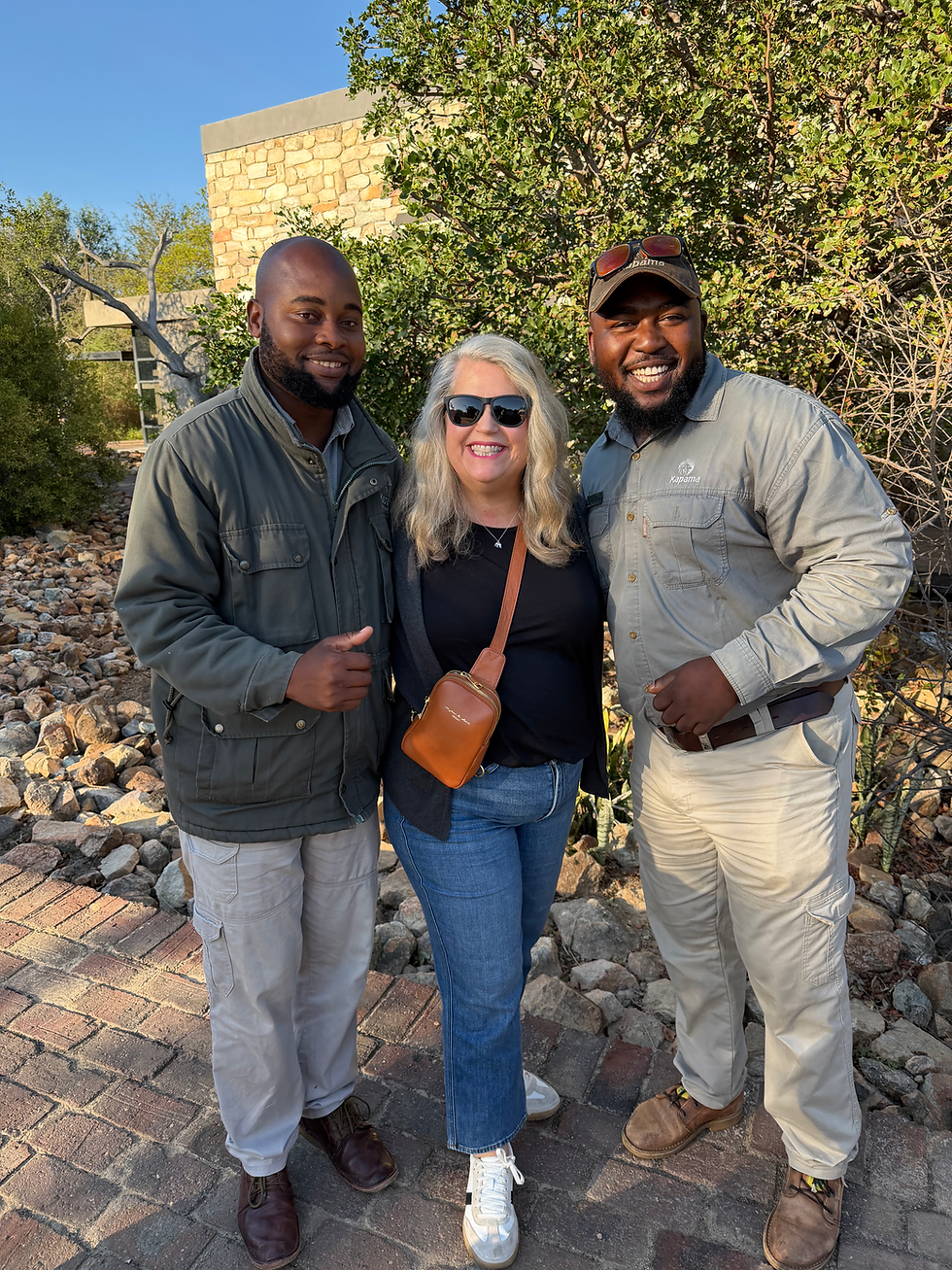
Let's imagine you purchased everything separately. You would need:
Luxury accommodations
Airport transportation
Wildlife permits
Conservation fees
Professional guides
Professional trackers
Specialized safari vehicles
Breakfast
Lunch
Dinner
Snacks
Alcoholic beverages
National park access
And that's before we talk about the level of service.
At one lodge, our guide didn't simply take us on safari. He escorted guests around the property after dark, responded to room service requests, and helped create personalized experiences throughout our stay.
The service wasn't an add-on. It was part of the experience.
When you start pricing all of those pieces individually, safari begins to look far less expensive than people initially assume.
Why Private Safari Lodges Cost More

This is another area where travelers often become confused.
Yes, there are less expensive safari options, but it's important to understand what you're comparing.
Many lower-cost options place travelers on public game reserves and require purchasing safari activities separately. At first glance, that can seem like a better deal. However, there are important differences.

Private safari lodges often provide:
Smaller guest numbers
More personalized service
Highly trained guides
Highly trained trackers
Better wildlife experiences
Greater flexibility
Exclusive reserve access
Perhaps most importantly, reputable safari operators maintain high standards for safety, conservation, and ethical wildlife viewing.
The safari gold standard is simple: the animals control the interaction, not the humans. That philosophy protects both wildlife and guests while creating more meaningful experiences.
As travelers, we don't always know which questions to ask. That's one reason working with a knowledgeable travel advisor matters.
Not all safari experiences are created equal.
Did Safari Feel Worth the Money?

Without hesitation, yes.
In fact, it felt like a tremendous value because everything was included. I wasn't reaching for my wallet every few hours, calculating costs every time I ordered a drink, or wondering whether an excursion was worth the extra expense.
The experience was designed so I could focus on being present—on the animals, the scenery, the people, and the moment itself.
And honestly, that's one of the greatest luxuries of all.
Final Thoughts
The next time someone tells you a safari costs $1,000 per person per night, don't picture a hotel room.
Picture elephants walking quietly past your vehicle.
Picture a tracker finding leopard prints you can't even see.
Picture sipping South African wine while watching the sun set over the bush.
Picture breakfast served in the middle of nowhere while giraffes wander in the distance.
Then decide whether you're paying for a room or paying for an experience.
Ready to Explore Safari Options?
One of the biggest misconceptions about safari is that every experience costs the same.
The truth is there are excellent safari options across a range of budgets, lodge styles, and destinations. The key is understanding what is included and choosing the experience that matches your travel goals.
If a luxury lodge overlooking a watering hole, a romantic safari for two, or a once-in-a-lifetime bucket list adventure is calling your name, we'll help you compare options and understand exactly what you're getting for your investment.
Complete our travel planning form and let's start designing your African safari experience.
Frequently Asked Questions About Safari Costs
Is an African safari worth the money?

For travelers who value wildlife, unique experiences, luxury service, and immersive travel, safari can provide exceptional value. Most guests leave feeling they received far more than just accommodations. They experienced something they simply couldn't replicate anywhere else.
Why are safari lodges more expensive than hotels?
Safari lodges include much more than a room. Most rates include meals, beverages, game drives, professional guides, trackers, transfers, conservation fees, and luxury accommodations. Comparing a safari lodge to a hotel room is like comparing an all-inclusive vacation to a place to sleep.
What is included in the cost of an African safari?
Most luxury safari lodges include accommodations, meals, snacks, beverages, airport transfers, and twice-daily game drives led by professional guides and trackers. Many travelers are surprised to learn just how much is included in the price. If you're curious about what a typical safari day looks like, read What Is an African Safari Really Like? A Beginner's Guide for First-Time Travelers.
Are cheaper safaris worth it?
Budget-friendly safaris can be wonderful, but travelers should understand what is and isn't included. Lower prices often mean separate charges for meals, game drives, park fees, or transportation. It's important to compare the full experience, not just the nightly rate.
Why do private safari reserves cost more than public parks?
Private reserves typically offer fewer guests, more personalized service, highly trained guides, exclusive access, and a more immersive wildlife experience. Many travelers find the difference well worth the investment.
How close do you get to the animals on safari?
That depends on the animals, the environment, and the reserve, but wildlife encounters can be surprisingly close. Because animals in many safari areas are accustomed to vehicles, they often continue their natural behavior while guests observe from a respectful distance. It's not unusual to watch elephants, lions, giraffes, or rhinos from much closer than most first-time travelers expect. Every sighting is different, and guides always prioritize both guest safety and animal welfare.
Is South Africa safe for safari travelers?
For many visitors, safety is one of the biggest concerns before booking an African safari. The good news is that safari travel is highly structured, with professional guides, vetted accommodations, and organized transfers helping travelers navigate the destination with confidence. Learn more in Is South Africa Safe for Tourists? What Travelers Should Know Before They Go.
What should I pack for an African safari?
Packing for safari is often simpler than travelers expect. Neutral-colored clothing, comfortable walking shoes, layers for cool mornings and evenings, sun protection, and a good pair of binoculars are great places to start. Most safari lodges offer laundry service, which means you can pack lighter than you might for other trips. The best packing list depends on the season, destination, and type of safari you're planning, so it's worth preparing thoughtfully before you go.
How many days should I spend on safari?
Most first-time safari travelers benefit from at least six safari nights, often split between two lodges or regions. This provides enough time to settle into the rhythm of safari, experience a variety of wildlife sightings, and enjoy the unique atmosphere of each lodge without feeling rushed.

Comments