


What Is an African Safari Really Like? A Beginner's Guide for First-Time Travelers
- Jennifer Ormesher

- Jun 23
- 10 min read
I was standing beside a watering hole in South Africa with a cocktail in my hand when I saw them.
At first, they were just shapes in the distance.
We were on our first evening safari, enjoying sundowners at a watering hole while giraffes and zebras wandered nearby. The sky was beginning to soften as the sun dropped lower, and I was sipping Jabulani Gin, a local spirit made right there on the reserve.
Then I noticed movement in the distance.
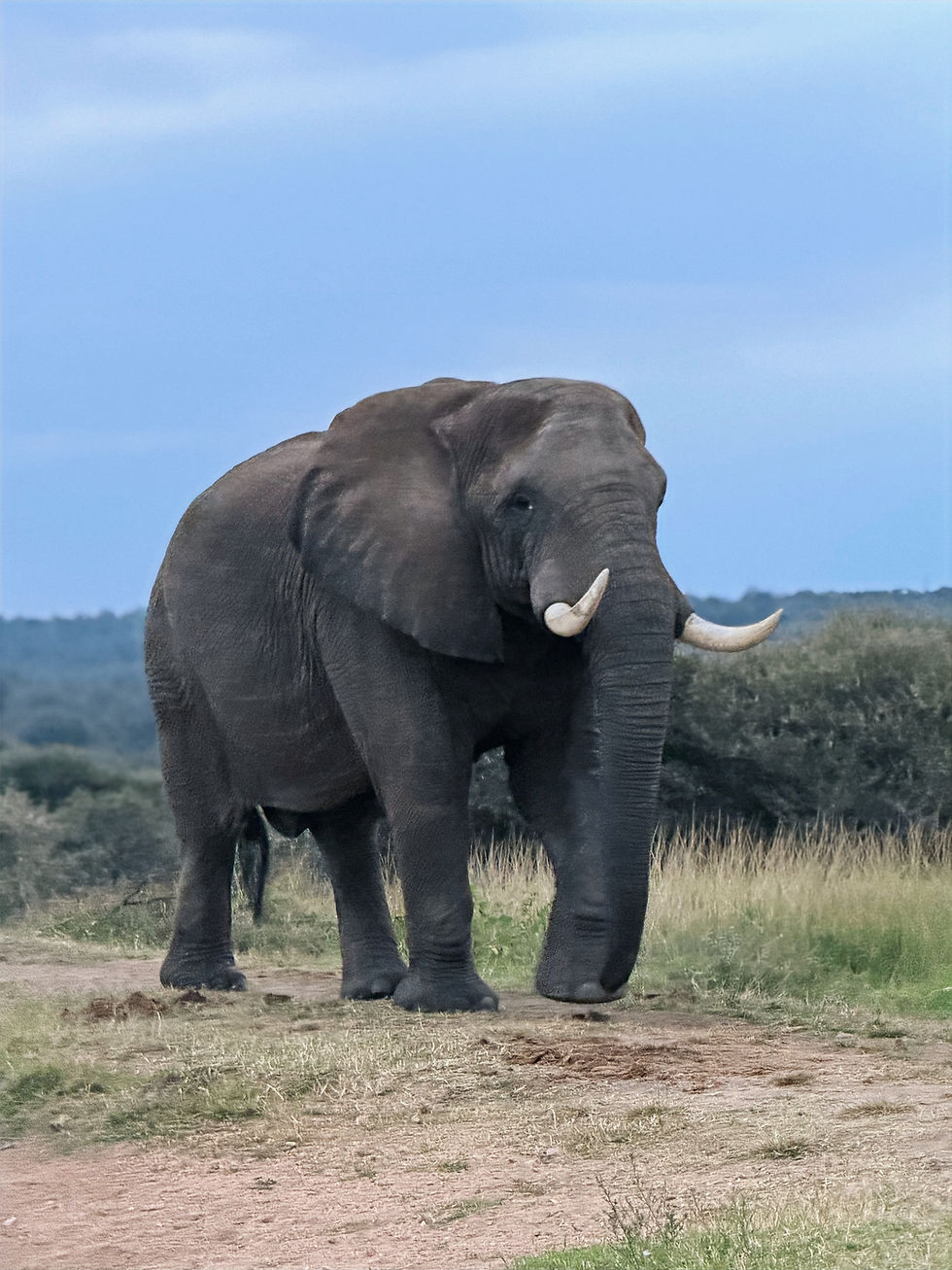
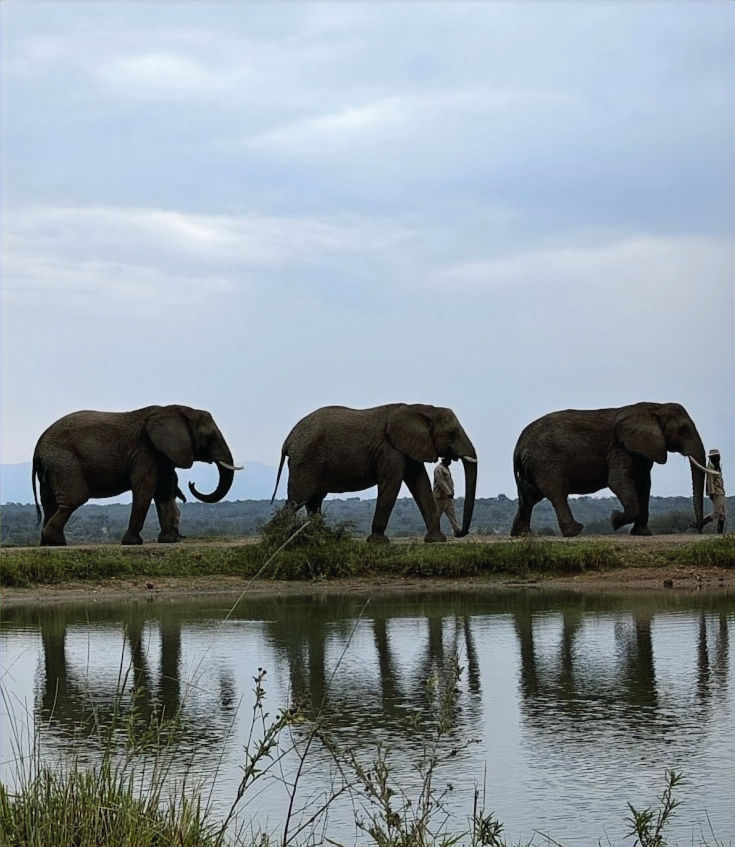
A herd of elephants was walking toward us.
As they got closer, all I could say was, "They're real."
And then I started crying.
I know that sounds ridiculous. Of course elephants are real. I've seen them in zoos. I've seen them in documentaries. I've even seen them at Disney's Animal Kingdom.
But none of that prepared me for seeing them in their natural habitat.
They kept getting closer and closer until they were only about eight feet away. They were bigger, wilder, and more majestic than I ever imagined. They moved with a quiet confidence that made the entire world seem to slow down.
That was the moment I realized something important.
Before my first safari, I thought I knew what safari was.
I didn't.
And if you're planning your first African safari, there's a good chance you don't either.
Table of Contents
What Most People Get Wrong About Safari
When most Americans think about safari, they imagine spending all day driving around looking at animals. That's not entirely wrong. It's just incomplete.
A safari isn't a theme park ride where animals magically appear every few minutes. It's not a zoo where you walk from enclosure to enclosure checking animals off a list.
A safari is about entering the animals' world.
Sometimes that means incredible sightings.
Sometimes that means waiting.
In fact, one of the biggest surprises for me was how much downtime exists between sightings. While we saw an incredible number of animals, there were also stretches where our guide and tracker were actively searching.

At first, I thought that would be frustrating, but it wasn't.
Those moments became part of the experience.
You begin paying attention to tracks, sounds, movement, and clues in the landscape. You start to understand how skilled your guide and tracker really are.
One afternoon, our tracker found leopard tracks. When he pointed them out, all I could see were tire marks in the dirt. Somehow, he followed those tracks and eventually led us to a leopard.
That's when I realized safari isn't just about seeing animals. It's also about learning how people who have spent their lives in the bush understand the world around them.
What a Typical Safari Day Actually Looks Like
Another misconception is that safari is physically exhausting. In reality, I found it surprisingly relaxing.
Our days started early... Very early.
We typically woke up between 4:45 and 5:00 in the morning so we could meet our guide between 5:30 and 5:45.
Before heading out, we'd grab coffee, pastries, yogurt, granola, and other light breakfast items. (Or in my case, Coke Zero.) Then we climbed into the safari vehicle and headed into the bush.
Morning game drives typically lasted about three hours.
About two hours into the drive, we'd stop for what everyone affectionately calls "brekkie in the bush."
I immediately decided this counted as second breakfast.

Coffee was served, along with pastries, dried fruit, snacks, and even Amarula for those who wanted something a little stronger in their morning cup.
After the drive, we returned to the lodge for our main breakfast. And when I say breakfast, I don't mean a continental breakfast. Think eggs benedict, pancakes, fresh fruit, and full menu options.
Did I mention we were never hungry?
After breakfast, guests typically spend the middle of the day relaxing. Some people head to the spa, others spend time by the pool, and many return to their rooms for a nap. Honestly, I understand why. Those early mornings catch up with you.
Around 3:00 in the afternoon, snacks and afternoon tea appear, and then it's time to head back out for the evening game drive.
The evening safari lasts another three hours and often includes one of my favorite safari traditions: sundowners.
What Are Sundowners?
If you're new to safari, sundowners might become your favorite new word.
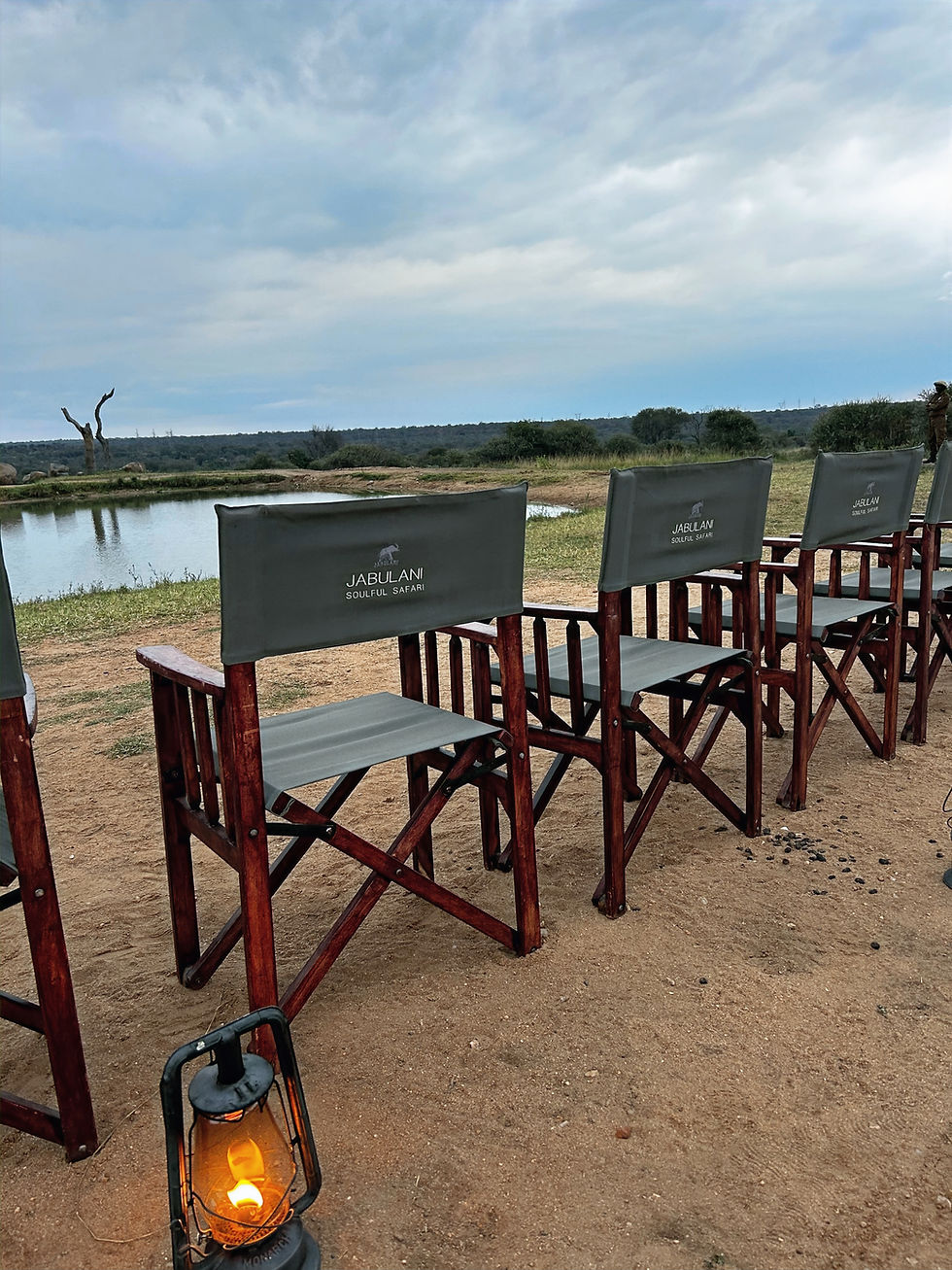
At some point during the evening drive, your guide finds a scenic location and sets up drinks and snacks while everyone watches the sunset.
Imagine standing in the African bush with a glass of South African wine in your hand while the sky turns shades of orange, pink, and gold.
The snacks might include biltong, canapés, appetizers, or other local treats. The atmosphere is relaxed, nobody is rushing, and nobody is checking their watch. People simply enjoy the moment.
In a world that constantly pushes us toward the next thing, sundowners invite you to be fully present.
How Close Do You Really Get to the Animals?
This is probably the question I get most often.

The answer is simple: closer than I expected. Much closer.
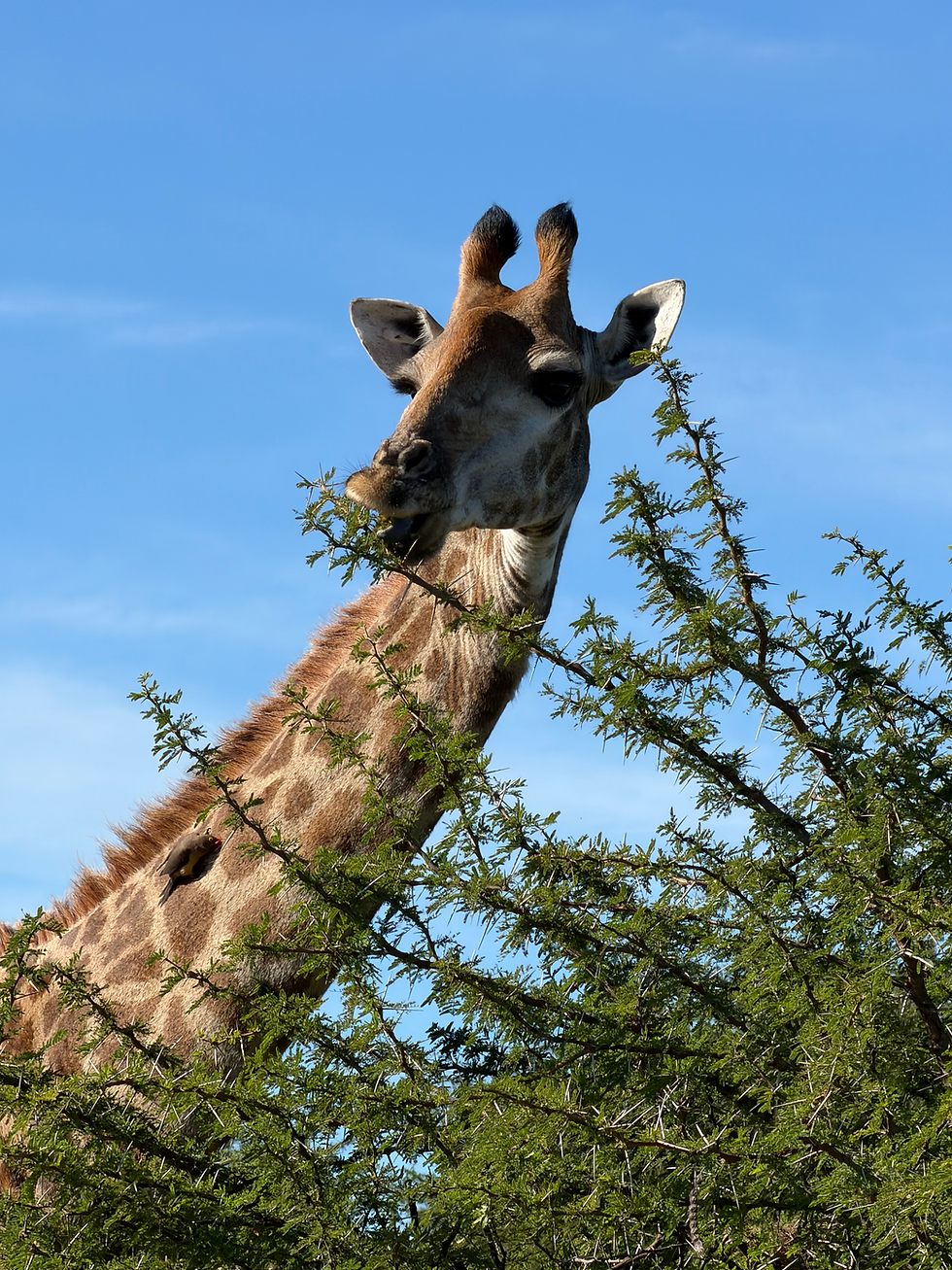
During our trip, we were within about ten feet of lions. At another point, elephants came within eight feet of our vehicle. Giraffes, zebras, and impalas often walked right past us.
Yet despite being so close, I never felt unsafe because the guides are extraordinarily skilled. Before every close encounter, they paid attention to both the animals and the guests. If anyone felt uncomfortable, they would back away.
The goal isn't to create a dramatic moment. The goal is to create a safe and respectful experience.
The best safari operators understand that animals control the interaction, not humans. That philosophy creates better experiences for both the animals and the guests.
Did We See the Big Five?

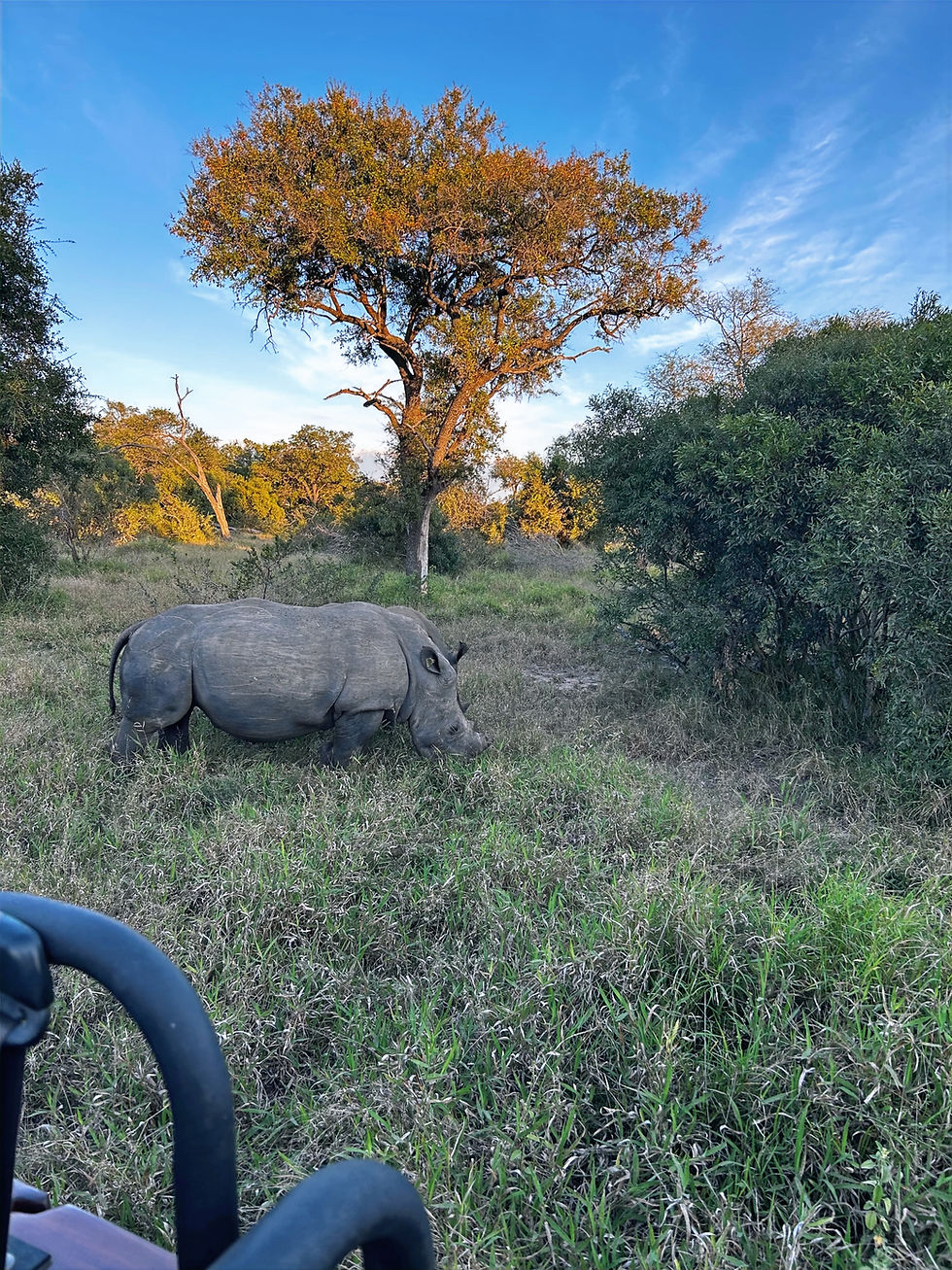
We did. And incredibly, we saw all of the Big Five within 48 hours.
The Big Five include:
Lion
Leopard
Elephant
Rhino
Buffalo
We were fortunate... very fortunate.
While many travelers hope to see all five, no ethical safari operator will guarantee it. Wild animals don't operate on schedules, and honestly, that's part of what makes safari so special. Every sighting feels earned.
Some of my favorite sightings weren't even members of the Big Five. The hyenas surprised me the most because they're far stronger and more impressive in person than I expected. I also loved watching giraffes move across the landscape and seeing zebras grazing peacefully nearby. Every animal has its own personality and behavior, and the longer you're on safari, the more you begin to notice those differences.
Safari Lodges Are Far More Luxurious Than Most Travelers Expect
This may have been my biggest surprise after the animals.
Many first-time travelers imagine safari accommodations as basic camps, but that couldn't be further from the truth.
The lodges where I stayed were five-star properties.

Jabulani felt like stepping into Out of Africa. Individual suites featured traditional safari décor, wood-burning fireplaces, private plunge pools, and incredible views. One evening, I climbed into bed while a fire crackled in the fireplace and experienced what may have been the best night's sleep of my life.
Simbavati Waterside offered a more modern and elegant feel, while Kapama River Lodge felt more like a luxury resort.
Each property was different, yet all shared the same commitment to exceptional service. The rooms overlooked wildlife, the food was outstanding, and the staff knew guests by name. Pools, spas, wine cellars, bars, and beautiful common spaces were all part of the experience.
Luxury in South Africa feels different than luxury in some other destinations. It's refined without being pretentious, and the service is exceptional while the atmosphere remains warm and welcoming.
Who Should Take an African Safari?
Safari is perfect for travelers who love animals, learning, and immersive experiences. It's ideal for:
Couples
Empty nesters
Families
Photographers
Artists
Food lovers
Wine enthusiasts
Safari also appeals to people who enjoy slowing down and being present.
If your favorite vacations involve checking as many attractions off a list as possible, safari may feel different than what you're used to. Safari rewards patience, observation, and curiosity. The more you lean into those things, the richer the experience becomes.
Final Thoughts
Safari isn't a vacation where animals are brought to you. It's an experience where you enter their world.
That's what makes it special.
It's not just the lions, the elephants, or the sunsets. It's the feeling that for a brief moment, you've stepped into a place that still belongs to nature.
And sometimes, standing beside a watering hole with elephants walking toward you, all you can do is whisper, "They're real."
Ready to Experience Safari for Yourself?
No two safaris are exactly alike, and that's part of the magic.
If you're dreaming of elephants at sunset, luxury lodges overlooking a watering hole, or tracking wildlife with expert guides, we'll help you design a safari that matches your travel style, interests, and budget.
At Canopy of Stars Travel, we partner with trusted safari operators and local experts to create seamless, personalized journeys throughout South Africa and beyond.
Ready to start planning your African safari?
Complete our travel planning form and let's begin designing your adventure.
Frequently Asked Questions About African Safaris
How many days should you spend on an African safari?
For most first-time visitors, I recommend spending at least 10 days in South Africa, not including travel days. This allows time to adjust to the time difference, explore destinations like Cape Town or the Winelands, and spend three nights at two different safari lodges. While shorter safaris are possible, a longer trip provides a richer experience and increases your chances of seeing a wide variety of wildlife.
Will I see animals every day on safari?
Almost certainly, yes. However, wildlife sightings are never guaranteed. Animals are wild and move freely throughout the reserve. Some game drives may be filled with incredible sightings, while others focus more on tracking and observing the bush. That unpredictability is part of what makes safari so exciting.
What is the best time of year to go on safari in South Africa?
South Africa offers excellent safari experiences year-round, but many travelers prefer the dry season from May through September. During this time, vegetation is thinner and animals often gather around water sources, making them easier to spot. I traveled in May and found the weather comfortable, with cool mornings and warm afternoons.
Do you need to be physically fit to go on safari?
Not particularly. Most safari activities take place in open-air vehicles, and walking is minimal. You do need to be able to climb in and out of a safari jeep, but safari is generally accessible to travelers with average mobility. Walking safaris are available for those seeking a more active experience.
What should I wear on safari?
Comfortable layers work best. Neutral-colored clothing, lightweight pants, moisture-wicking shirts, and a light sweater or jacket are ideal. Mornings can be cool, while afternoons are often warm. Unless you're planning significant hiking, comfortable tennis shoes are usually all you need.
Is it safe to go on safari?
When you travel with reputable safari operators and experienced guides, safari is very safe. Guides receive extensive training and carefully monitor both animal behavior and guest comfort. Guests are expected to follow instructions, remain in designated areas, and respect wildlife. As with any travel experience, there are risks, but professional safari lodges prioritize safety at every stage of the journey.
Want more information? Check out What Is an African Safari Really Like? A Beginner's Guide for First-Time Travelers
What is the Big Five?
The Big Five refers to five iconic African animals:
Lion
Leopard
Elephant
Rhino
Buffalo
The term originated with hunters but is now widely used in wildlife tourism. Many travelers hope to see all five during their safari, although no ethical safari operator can guarantee specific animal sightings.
Are safari lodges air-conditioned?
Many luxury safari lodges offer air conditioning, ceiling fans, or both. Amenities vary by property, but most upscale lodges provide comfortable accommodations, private bathrooms, Wi-Fi, pools, fine dining, and other luxury touches that surprise first-time visitors.
Can families go on safari?
Absolutely. Many safari lodges welcome families and offer family suites, kid-friendly activities, and educational opportunities. Some lodges have minimum age requirements for game drives, so it's important to choose accommodations that match your family's needs.
What if I don't see a lion or leopard?
It can happen. Wildlife sightings are never guaranteed. The beauty of safari is that every drive is different. Some of the most memorable moments come from unexpected encounters, beautiful landscapes, fascinating animal behavior, or simply watching the sun set over the African bush.
How much does an African safari cost?
The cost of an African safari varies based on the destination, season, and level of luxury you choose. While safari pricing may seem high at first glance, it's important to understand what's included. Many safari lodges include accommodations, meals, snacks, beverages, airport transfers, and twice-daily game drives led by professional guides and trackers. Learn more in How Much Does an African Safari Cost? It's More Than A Hotel.


Comments