


How to Travel to Antarctica: A Complete Guide for First-Time Visitors

Updated: Jul 29
Standing on a continent where almost no permanent human footprints exist changes you.

I expected Antarctica to be beautiful. I expected penguins, towering icebergs, and breathtaking landscapes. What I didn't expect was how deeply the experience would affect me long after I returned home.
Antarctica isn't just another destination you check off a bucket list. It's one of the few places left on Earth where nature still sets all the rules. The weather decides your schedule. Wildlife determines where you can go. Silence becomes something you actually notice. Every day reminds you that you're a visitor in a world that has existed for millions of years without us.
Planning a trip to Antarctica can feel exciting and overwhelming at the same time. How do you get there? What kind of ship should you choose? How much does it cost? Is the Drake Passage really as rough as everyone says? And perhaps the biggest question of all: Is Antarctica actually worth it?
The answer, at least for me, is an easy yes.
In this guide, I'll walk you through everything first-time visitors need to know about planning an Antarctica expedition. Along the way, I'll share lessons from my own journey, explain the decisions that matter most, and point you toward additional resources that dive deeper into topics like packing, budgeting, and camping on the White Continent.
If you've been dreaming about Antarctica, you're in the right place.
Table of Contents
Antarctica Trip at a Glance
Question | Quick Answer |
Best time to visit | November through March |
Most common departure point | Ushuaia, Argentina |
Typical trip style | Small-ship expedition cruise |
Classic itinerary length | Approximately 10–14 days |
Best for | Wildlife, photography, lifelong learners, adventure seekers |
Plan ahead | Ideally 12–18 months |
Biggest planning decision | Choosing the right ship and itinerary |
Why Visit Antarctica?

People often ask me why anyone would spend thousands of dollars to visit a place with no cities, no shopping, and no luxury resorts on land.
Ironically, those are exactly the reasons I fell in love with it.
Antarctica strips away distractions and replaces them with wonder. Instead of busy itineraries and crowded attractions, your days revolve around towering glaciers, curious penguins, breaching whales, and landscapes so untouched they almost don't seem real.
What surprised me most wasn't the wildlife or the scenery.
It was how incredibly pristine everything felt.
Several times during the expedition I realized we were standing in places where very few people had ever stood before. That's an increasingly rare feeling in today's world.
Even more surprising was how Antarctica stayed with me after I returned home.
During the voyage, our expedition team offered educational presentations every day. We learned about wildlife, geology, polar history, conservation, climate science, and even hypothermia (thankfully after the Polar Plunge!).
Those lectures changed how I thought about my own impact on the planet. Today I intentionally buy more natural fibers, shop secondhand whenever possible, and avoid fast fashion whenever I can. I expected Antarctica to change my perspective while I was there. I didn't expect it to change the choices I make back home.
That's one of the reasons Antarctica is unlike any vacation I've ever taken.
It doesn't simply give you incredible memories.
It changes the way you see the world.
How Do You Get to Antarctica?

One of the biggest misconceptions is that Antarctica is difficult to reach. In reality, getting there is surprisingly straightforward once you understand how the journey works.
Most travelers begin in Ushuaia, Argentina, the southernmost city in the world. From there, expedition ships sail across the Drake Passage before reaching the Antarctic Peninsula.
Although some fly-cruise options exist, the classic expedition experience includes sailing across the Drake Passage.
For many travelers, crossing the Drake becomes part of the adventure itself.
You've probably heard the nicknames.
Sometimes it's the Drake Lake, with calm seas and gentle swells.
Sometimes it's the Drake Shake, where the Southern Ocean reminds everyone who's in charge.
I experienced both.
On the journey south, we enjoyed calm seas that lived up to the "Drake Lake" nickname.
Coming home was another story.
A large storm was moving toward Antarctica, so our captain made the decision to leave the continent half a day early and sail around the weather system. During the announcement, the captain also encouraged anyone without motion sickness medication to visit the medical center. The doctor was handing out Dramamine like it was candy.
Thankfully, I had planned ahead with a scopolamine patch.
Even better?
I happened to schedule a two-hour massage during the roughest part of the crossing.
Ironically, my massage therapist accidentally rubbed my patch off halfway through the appointment. Fortunately, I still made it across without any problems.
If you're nervous about crossing the Drake Passage, here's my advice:
It's probably not as bad as you're imagining.
Modern expedition ships are designed for these waters, experienced crews know what they're doing, and there are excellent medications available if you're prone to motion sickness.
When Is the Best Time to Visit Antarctica?
Unlike many destinations, there isn't one perfect month to visit Antarctica as every part of the season offers something unique.
Early Season (November)

Fresh snow blankets the landscape, creating the classic white Antarctica many travelers imagine. Penguins begin courtship and nest-building, while dramatic ice formations remain largely untouched.
One of my favorite memories came during nesting season.
Male penguins spend their days searching for small rocks to present to females as nesting material.
Or at least...
That's what they're supposed to do.
Instead, many simply steal rocks from neighboring nests.
Watching one penguin catch another in the act was hilarious. They'd flap their little wings, squawk loudly, and act like they were the toughest birds on the continent.
It looked far more adorable than intimidating.
Mid-Season (December–January)
This period brings long daylight hours, active penguin colonies, and excellent opportunities for Zodiac landings and photography.
Many travelers choose these departures because wildlife activity is incredibly high.
Late Season (February–March)
As summer winds down, whale sightings often become even more frequent. Penguin chicks begin exploring their surroundings, and many photographers love the changing light later in the season.
Rather than asking, "What's the best month?"
Ask yourself:
"What experience do I most want to have?"
That's the better question.
How Long Does an Antarctica Trip Take?
One of the biggest planning mistakes I see is focusing only on the cruise itinerary.
Your vacation doesn't begin the day your ship sails.
I recommend arriving in Ushuaia at least two days before embarkation. Doing so gives you a buffer in case of airline delays while also allowing time to explore this fascinating city before boarding your expedition ship.
Most classic Antarctic Peninsula expeditions last around 10 to 14 days once the sailing itinerary is included.
Longer expeditions may also visit South Georgia, the Falkland Islands, or even cross the Antarctic Circle.
Although those longer itineraries require additional vacation time, they reward travelers with even greater wildlife diversity and fewer crowds.
When budgeting both time and money, remember to include:
International flights
Pre-cruise hotel nights
Meals before embarkation
Transfers
Travel insurance
Post-cruise travel if desired
Looking at the complete journey, not just the cruise, helps eliminate surprises later.
How to Choose the Right Antarctica Expedition
This is where working with an experienced travel advisor makes the biggest difference.
Many expedition ships look almost identical online.
They aren't.
Choosing the right ship affects nearly every part of your experience.
Decide What Success Looks Like
I always begin with one question. "What do you hope to experience?"
If your goal is simply to see Antarctica from the comfort of a beautiful ship, you'll have plenty of excellent options.
However, if your dream is stepping onto the White Continent itself, your choices become much more limited.
Ship size matters.
Many first-time travelers don't realize that not every Antarctica cruise offers landings. Larger vessels are restricted to scenic cruising, while smaller expedition ships can provide the immersive experiences most travelers imagine when they picture Antarctica.
For me, that wasn't negotiable.
If I was traveling all the way to Antarctica, I wanted to stand on the continent. I would never compromise on choosing a ship that allowed me to do exactly that.
The ship itself also influences your onboard experience. Some expedition lines focus heavily on adventure, while others blend exploration with luxurious accommodations, outstanding dining, wellness facilities, and beautifully designed public spaces.
My own expedition struck that balance perfectly.
It felt adventurous during the day and wonderfully comfortable each evening. The cabins were spacious, the bathrooms were among the largest I've seen on a cruise ship, room service was included, and every meal felt like something to look forward to.
One dining station even featured freshly made Caesar salad tossed inside an enormous wheel of Parmesan cheese.
Not exactly what most people picture when they imagine Antarctica.
And that's the point.
Adventure and comfort don't have to compete. (Hello, 50% Princess, 50% Explorer!)
Sometimes, they make each other even better.
Antarctica Itineraries Explained

One of the biggest surprises for first-time travelers is discovering that there isn't just one Antarctica cruise.
The itinerary you choose dramatically shapes your experience. Some voyages focus entirely on the Antarctic Peninsula, while others venture much farther south or include additional destinations like South Georgia and the Falkland Islands.
Understanding the differences before you book can help ensure your expedition matches your travel goals.
Antarctic Peninsula Expeditions
For most first-time visitors, the Antarctic Peninsula offers the perfect introduction to the White Continent.
These classic itineraries typically include multiple Zodiac cruises, shore landings, wildlife viewing, and opportunities to experience the breathtaking glaciers and mountains that make Antarctica famous. If you've seen photos of travelers standing among penguins or cruising past massive blue icebergs, there's a good chance they were taken on a Peninsula expedition.
It's also the itinerary I recommend most often for first-time visitors because it provides an incredible balance of adventure, wildlife, and value.
Antarctic Circle Expeditions
Some voyages continue beyond the Peninsula and cross the Antarctic Circle.
Crossing this famous latitude isn't just a geographic milestone, it's an achievement many expedition travelers proudly celebrate. These longer voyages often reach areas with even fewer visitors while offering spectacular scenery and additional wildlife opportunities.
South Georgia and Falkland Islands Expeditions
If you're passionate about wildlife, these longer itineraries deserve serious consideration.
South Georgia is home to enormous king penguin colonies, elephant seals, and fascinating polar history, while the Falkland Islands provide a completely different ecosystem filled with seabirds and unique landscapes.
These expeditions typically require more time and a larger budget, but many experienced Antarctica travelers consider them the ultimate polar adventure.
Fly-Cruise Expeditions
Not everyone wants to cross the Drake Passage.
Fly-cruise itineraries allow travelers to fly over the Drake before boarding their expedition ship. This option reduces travel time and avoids the ocean crossing altogether.
It's an excellent choice for travelers with limited vacation time or those who have significant concerns about seasickness.
Scenic Cruises
Some larger cruise ships visit Antarctica without allowing passengers to step ashore.
Instead, guests enjoy breathtaking views from the ship while sailing through Antarctic waters.
These voyages can still be beautiful, but they're a very different experience.
For me, standing on the continent itself was the entire reason for making the journey.
If your dream is to say you've actually walked on Antarctica, make sure you're choosing an expedition that includes landings, not just scenic cruising.
What's Included on an Antarctica Expedition?
Another common misconception is that Antarctica cruises work like traditional ocean cruises.
They don't.
An expedition is designed to immerse you in the destination rather than simply transport you through it.
Most expeditions include:
Comfortable accommodations aboard your ship
All meals
Daily Zodiac excursions
Guided shore landings
Educational presentations from expedition experts
Wildlife interpretation
Parka and waterproof boot loan programs on many expedition lines
However, there are often additional costs to consider. These may include:
International airfare
Hotels before or after your cruise
Travel insurance
Specialty activities such as kayaking or camping
Gratuities
Premium beverages on some ships
Every cruise line structures its inclusions a little differently, which is another reason comparing itineraries isn't always as simple as looking at the advertised price.
How Much Does an Antarctica Expedition Cost?
This is one of the first questions people ask, and understandably so.
Antarctica represents a significant investment.
Rather than focusing on finding the cheapest expedition, I encourage travelers to focus on finding the right expedition.
Pricing varies based on factors such as:
Ship size
Cabin category
Voyage length
Itinerary
Included activities
Time of year
A smaller expedition ship that allows frequent landings often costs more than a larger vessel offering scenic cruising.
At first glance, that price difference can seem difficult to justify. Until you realize one ship lets you step onto Antarctica...
...and the other doesn't.
That's why comparing Antarctica cruises isn't like comparing hotel rooms.
You're comparing experiences.
If you'd like a detailed breakdown of what influences pricing, including ways to maximize your investment, be sure to read my complete guide to How Much Does an Antarctica Cruise Cost?
Incredible Experiences You Can Have in Antarctica
Antarctica isn't about checking attractions off a sightseeing list. Every day unfolds differently because nature is in charge. Your expedition team constantly adjusts plans based on weather, ice conditions, and wildlife activity.
That's not a disappointment.
It's part of the adventure.
Zodiac Cruising
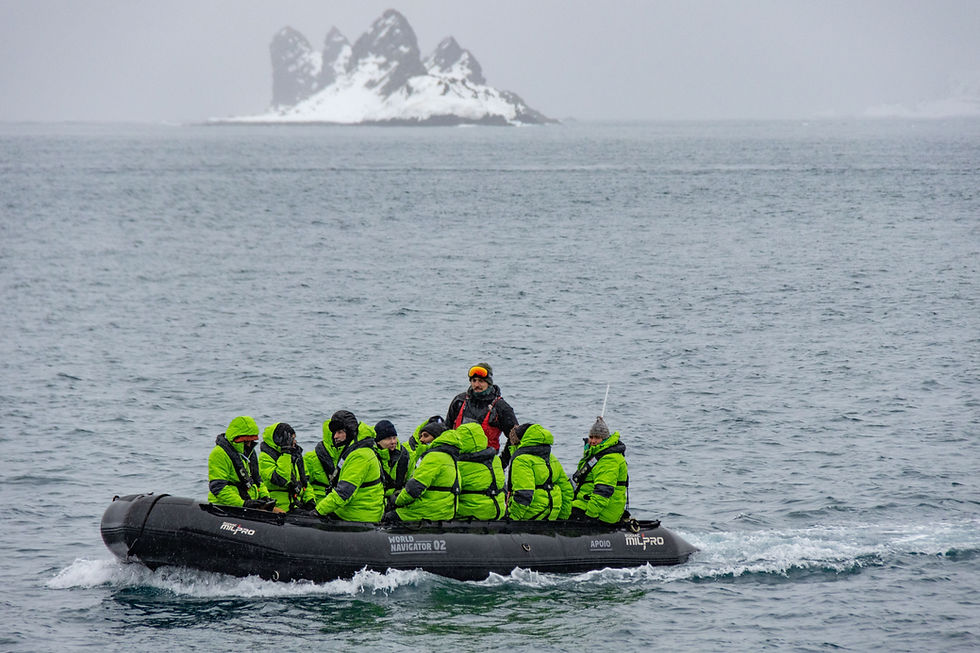
Your Zodiac becomes your front-row seat to Antarctica.
These sturdy inflatable boats allow you to explore places your ship simply can't reach.
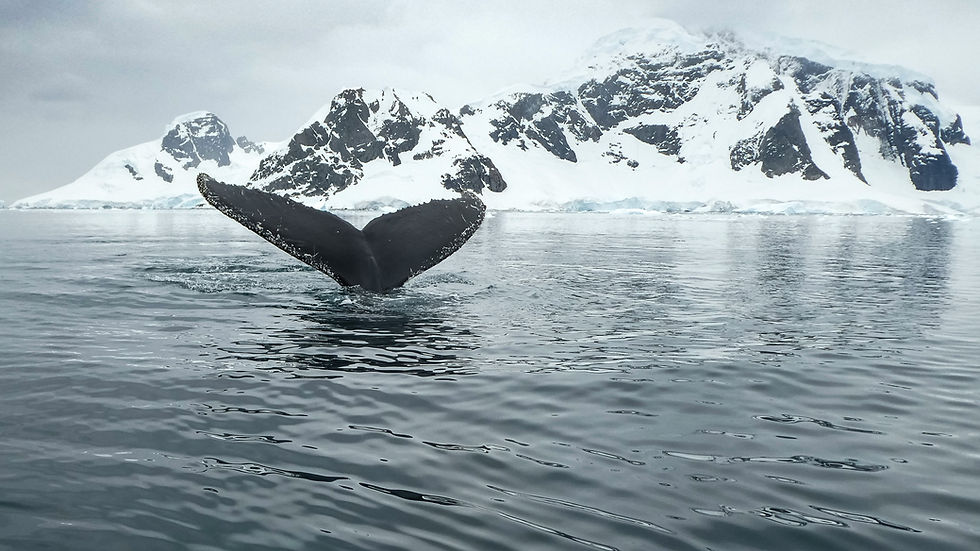
One morning you might weave between sculpted icebergs glowing brilliant shades of blue. The next afternoon you could quietly drift alongside curious seals or watch humpback whales surface nearby.
Every outing feels different.
Wildlife Watching
No two expeditions see exactly the same wildlife. That's part of the excitement.
Most travelers hope to encounter gentoo, chinstrap, and Adélie penguins, along with seals, whales, and countless seabirds.
I certainly wanted to see penguins and seeing hundreds of them was everything I'd imagined.
Then something completely unexpected happened.
Our expedition team spotted a juvenile emperor penguin.
Even they were excited.
Emperor penguins aren't typically seen on Antarctic Peninsula expeditions, making this an incredibly rare sighting that none of us will ever forget.
Moments like that simply can't be planned.
They become gifts Antarctica decides to give you.
Kayaking
If you're comfortable on the water, kayaking offers one of the most peaceful ways to experience Antarctica.
Floating silently among icebergs while glaciers tower overhead creates an entirely different perspective than exploring by Zodiac.
I would sign up again without hesitation.
That said, kayaking isn't for everyone.
The water is incredibly cold. You'll be getting into and out of kayaks while wearing expedition gear. And unlike a leisurely paddle around your neighborhood lake, this excursion requires a bit of work.
If deep water makes you anxious, you'll enjoy Antarctica just as much from a Zodiac.
The Polar Plunge

Yes, it's every bit as cold as you've heard.
And yes... I'd absolutely do it again!
Jumping into Antarctic waters lasts only a few seconds, but you'll remember those seconds forever.
One piece of advice from personal experience?
Wear a one-piece swimsuit.
I packed a tankini.
Let's just say I came out of the water so quickly that I barely had time to make sure everything was back where it belonged before climbing out.
Learn from my mistake.
Camping on Antarctica
If I could recommend one underrated experience, it would be camping.
Very few travelers choose it. Even fewer get the opportunity.
Spending a night on the White Continent is unlike anything I've ever experienced.
One of my favorite memories happened after everyone had settled into their sleeping bags.
A curious penguin wandered into our campsite. There we were, sleeping on Antarctica, and suddenly a penguin decided to join us.
Moments like that don't happen in ordinary destinations.
If camping is available on your expedition, reserve it early. Spots are extremely limited and often sell out months in advance.
If you'd like to know exactly what it's like, including how we prepared and what surprised me most, read my complete article about Camping in Antarctica.
What Should You Pack?
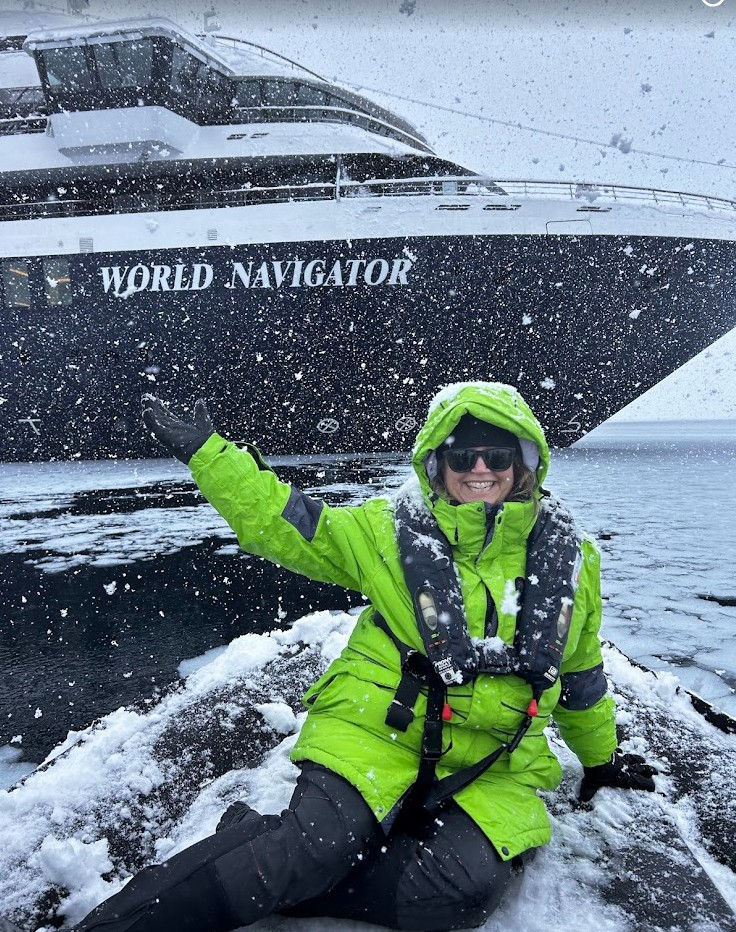
Packing for Antarctica is much easier than most people expect. In fact, one of the biggest worries travelers have, being cold, is usually unnecessary.
Most expedition cruise lines provide waterproof boots and an expedition parka. Your job is to dress in layers underneath.
Merino wool or synthetic base layers help regulate body temperature, while insulating mid-layers provide warmth without excessive bulk.
One item I wouldn't travel without again?
A neck gaiter.
Mine kept icy wind from blowing down my jacket while we rode in the Zodiacs.
Whenever my face became cold, I simply pulled it over my nose and cheeks. It became one of the most useful things I packed.
One item I definitely didn't need?
A dress.
I assumed dinners would be formal. They weren't.
The food was exceptional, but the atmosphere remained comfortably casual throughout the voyage.
For a complete packing checklist, including my favorite gear and a few mistakes you can avoid, be sure to read my detailed Antarctica Packing Guide.
Who Is Antarctica Right For?
Antarctica isn't the right vacation for everyone, and that's okay.
In fact, I'd rather help someone choose the right destination than convince them to book the wrong one.
Antarctica is perfect for travelers who love learning just as much as sightseeing.
If you enjoy wildlife, photography, history, science, conservation, or simply experiencing places that few people ever visit, you'll probably fall in love with this continent. It's especially well suited for empty nesters and retirees who have the flexibility to spend 12 to 14 days or longer on a single journey.
It's also ideal for travelers who appreciate a little uncertainty.
Weather changes. Wildlife moves. Landing locations shift.
Rather than seeing those changes as inconveniences, Antarctica travelers embrace them as part of the expedition.
On the other hand, Antarctica may not be the best choice for families with young children.
Most expedition ships have limited activities designed specifically for kids, and there can be stretches of downtime between excursions. That doesn't make Antarctica a bad family destination. It simply means it's better suited for older children who genuinely enjoy nature, wildlife, and learning.
Responsible Travel in Antarctica
One of the reasons Antarctica remains so extraordinary is because the world has worked together to protect it.
Unlike almost every other destination on Earth, Antarctica doesn't belong to a single country. Instead, it's governed through international agreements that prioritize scientific research, environmental protection, and responsible tourism.
As a visitor, you're entering one of the planet's most carefully managed ecosystems.
That means every expedition follows strict guidelines designed to minimize human impact while allowing travelers to experience this incredible place responsibly.
You may be asked to disinfect your boots before every landing. You'll keep a respectful distance from wildlife. You're never allowed to remove rocks, feathers, bones, or anything else from the continent. Even something as simple as sitting on the ground may be prohibited in certain locations to protect fragile vegetation and nesting areas.
At first, these rules may seem strict.
Once you're there, they make perfect sense.
Standing in a place that feels almost untouched creates a deep appreciation for the responsibility we all share in keeping it that way.
One of the most emotional moments of my trip happened when we encountered what looked like large white rocks scattered across the landscape.
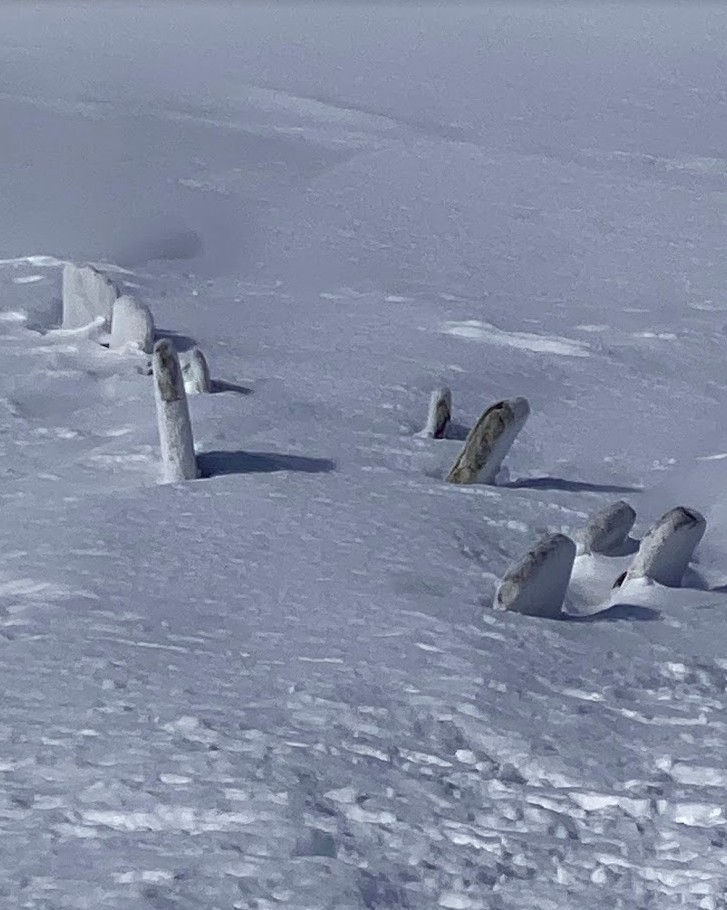
As we got closer, I realized they weren't rocks at all.
They were whale vertebrae.
Our expedition team explained that these were the remains of whales killed during the commercial whaling era.
Sailors harvested what they wanted and left the rest behind.
Seeing those bones sitting silently against the Antarctic landscape stopped me in my tracks.
It was a powerful reminder of both humanity's capacity to harm and our ability to do better.
That moment has stayed with me far longer than any photograph I brought home.
Today, organizations like the International Association of Antarctica Tour Operators (IAATO) help ensure tourism supports conservation rather than threatening it. When choosing an expedition, I always recommend selecting an operator committed to those standards.
Responsible travel isn't just about following rules.
It's about leaving Antarctica exactly as you found it so someone else can experience that same sense of wonder decades from now.
Frequently Asked Questions
Is Antarctica really as cold as people think?
Honestly, not usually.
Most travelers worry about being miserable in the cold, but modern expedition gear makes a tremendous difference. Many cruise lines provide waterproof boots and an expedition parka, and the ships themselves are warm and comfortable.
I often describe the onboard experience as feeling more like a boutique hotel than a rugged expedition camp.
Is the Drake Passage really that bad?
It depends. The Drake Passage has earned the nicknames Drake Lake and Drake Shake for a reason.
I experienced both.
The trip south was remarkably calm.
The return crossing was much rougher, but with a little preparation, and the right medication if you're prone to motion sickness, it was completely manageable.
Don't let fear of the Drake stop you from visiting Antarctica.
Will I see penguins?
Almost certainly.
Exactly which species depends on your itinerary and the time of year.
Most Antarctic Peninsula expeditions commonly encounter gentoo, chinstrap, and Adélie penguins.
I was incredibly fortunate to experience a very rare juvenile emperor penguin sighting, something even our expedition team was excited about.
That's part of Antarctica's magic. Nature doesn't follow an itinerary.
Is Antarctica worth the money?
Without question.
That's my answer.
Yes, Antarctica represents a significant investment. But unlike many luxury vacations, the value isn't measured by five-star hotels or endless entertainment. It's measured by experiences you'll never have anywhere else on Earth.
You'll remember the silence. The wildlife. The glaciers. The people you meet. The realization that you're standing in one of the last truly wild places on the planet.
Years later, those memories are still vivid for me.
How far in advance should I book?
Ideally, 12 to 18 months before you want to travel.
The best cabins, smaller expedition ships, and specialty activities like kayaking and camping often fill well before departure.
If Antarctica is on your bucket list, planning early gives you the greatest number of options.
Do I need to be extremely athletic?
Not at all.
You should be comfortable walking on uneven terrain and getting into and out of Zodiacs, but Antarctica isn't reserved for elite adventurers.
Many expedition travelers simply enjoy being active, curious, and willing to embrace new experiences.
Continue Exploring Antarctica
Planning your expedition doesn't stop here.
I've created additional resources that dive deeper into the questions travelers ask most often.
Before you book, I recommend exploring these guides:
How Much Does an Antarctica Cruise Cost? Understand what influences pricing and how to compare expedition options.
The Ultimate Antarctica Packing Guide Everything I packed, what I loved, and what I'd leave home next time.
Camping in Antarctica: What It's Really Like to Sleep on the White Continent One unforgettable night under the Antarctic sky.
International Travel Checklist A practical guide to preparing for international travel before your adventure begins.
Together, these resources answer nearly every question first-time Antarctica travelers ask.
Ready to Plan Your Antarctica Adventure?
If there's one thing I hope you take away from this guide, it's this:
Antarctica isn't impossible. It's simply unfamiliar.
Once you understand how an expedition works, planning the journey becomes far less intimidating.
The bigger challenge isn't getting there, it's choosing the right experience.
Two Antarctica expeditions may look nearly identical online while delivering completely different adventures. Ship size, itinerary, included activities, expedition teams, and onboard comfort all shape your journey in ways that aren't always obvious from a brochure.
That's where I can help.
I've stood on the White Continent.
I've crossed both the Drake Lake and the Drake Shake.
I've laughed at penguins stealing rocks from each other, watched whales surface beside our Zodiac, kayaked through icy waters, jumped into the coldest water of my life during the Polar Plunge, and spent a night sleeping on Antarctica itself with a curious penguin wandering through camp.
Most of all, I've experienced something I never expected.
I thought Antarctica would leave me with incredible photographs. Instead, it left me with a different perspective on our planet and my place within it.
Even today, years later, I find myself making choices shaped by what I learned there.
That's the kind of destination Antarctica is.
If you're dreaming about visiting the White Continent, I'd love to help you compare expedition options, find the itinerary that fits your travel style, and coordinate every detail, from flights and hotels in South America to your expedition itself, so you can focus on the adventure ahead.
Ready to experience one of the last truly wild places on Earth?
Let's plan an Antarctica expedition you'll be talking about for the rest of your life.


Comments